Sequencing
Why the Last Frame Carries More Weight Than You Think
By Hendra Kusnandar · Aug 4, 2026 · 6 min read
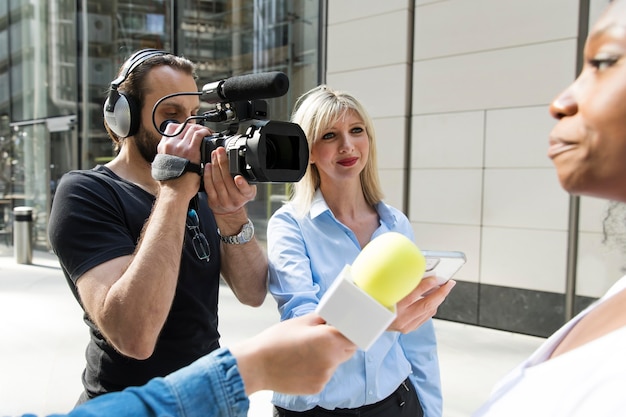
Photographers spend most of their editing time on the opening frame. It makes sense — the first image decides whether an editor keeps reading, and it sets the tone for everything after it. What gets far less attention, and probably deserves more, is the frame that closes the set.
In review after review, we've noticed the same pattern: a strong opening followed by a sequence that simply runs out, rather than one that resolves. The last image often reads as an afterthought, chosen because it was the final frame shot chronologically rather than because it does any work for the story.
What a closing frame is actually doing
A good closing image doesn't need to wrap things up neatly — documentary work rarely allows for tidy endings. What it does need is to leave the reader with a specific feeling or question, rather than a generic wide shot that could belong to any story on a similar subject. The frame right before it matters too, since the two often work as a pair.
"The last picture in a set is the one people remember walking away. Everything before it is context for that final impression."
We've seen sets where swapping the last two frames changed how the entire story was received in a review session — not because the images themselves were different, but because the order in which a reader encounters them shapes what they take away.
A practical way to test it
One exercise we recommend: print your contact sheet, cover everything except your proposed last three frames, and ask yourself what a stranger would assume the story was about based only on those. If the answer surprises you, it's worth reconsidering the close before anything else in the edit.
- Look at your last frame in isolation, without the context of the sequence before it
- Ask whether it answers, complicates, or simply repeats the opening image
- Consider whether a quieter, smaller moment might land harder than a wide summary shot
None of this replaces a second pair of eyes. Sequencing is one of those skills that's genuinely hard to judge on your own, since you already know how the story ends before a reader does — which is exactly why an outside review tends to catch what a photographer's own familiarity with the material can hide.
Want a second read on your sequence?
Send us a set and we'll look at where it opens, where it closes, and what's carrying the story between the two.
Get in touch