Captioning
The Caption Line That Says Too Much
By Nadia Suhartini · Jul 28, 2026 · 5 min read
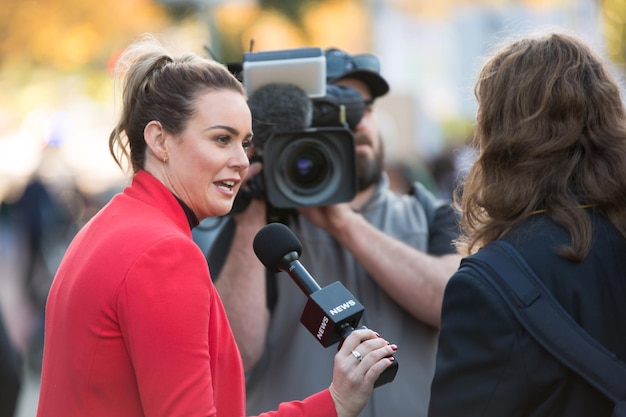
The most common note we give in caption review isn't about grammar or word count. It's about a single line quietly claiming more than the photograph can actually support — an assumed motive, an inferred emotion, a detail the photographer knows but the frame doesn't show.
It happens easily, and usually with good intentions. A photographer who spent hours with a subject knows the fuller context, and it's tempting to fold that knowledge into the caption so the image lands with the weight the photographer feels it deserves. The trouble is that a caption isn't a summary of everything you know — it's a description of what's in front of the reader.
Where the overreach usually creeps in
Three patterns come up again and again in review. The first is naming an emotion the photograph implies but doesn't confirm — "grieving" instead of "standing beside the coffin." The second is assigning a motive to an action the camera simply recorded, without confirmation from the subject. The third is quietly upgrading a single moment into a trend, as if one photograph could stand in for an entire pattern of events.
None of these are dishonest in an obvious sense. They're small interpretive shortcuts, the kind that feel harmless in isolation. But captions accumulate credibility or erode it one line at a time, and readers are better than we sometimes credit them for at sensing when a caption is doing more work than the image justifies.
A simple test before you send a set
Read each caption back and ask: could I defend this specific wording if the subject read it themselves? If the answer requires context that isn't in the frame or wasn't confirmed directly, the caption probably needs a rewrite — not necessarily a softer one, just a more precise one.
- Separate what you observed from what you were told, and be clear about which is which
- Avoid naming emotions unless the subject stated them directly
- Keep numbers and dates specific rather than rounding toward drama
Getting this right consistently across forty captions is genuinely difficult to do alone, which is part of why a second reader tends to catch the lines a photographer has stopped noticing.
Need a second pass on your captions?
We'll flag the lines that overreach and help you find wording that holds up.
Get in touch